Skip to content
Sutter Butte Dusters

aerial spraying

Crop protection

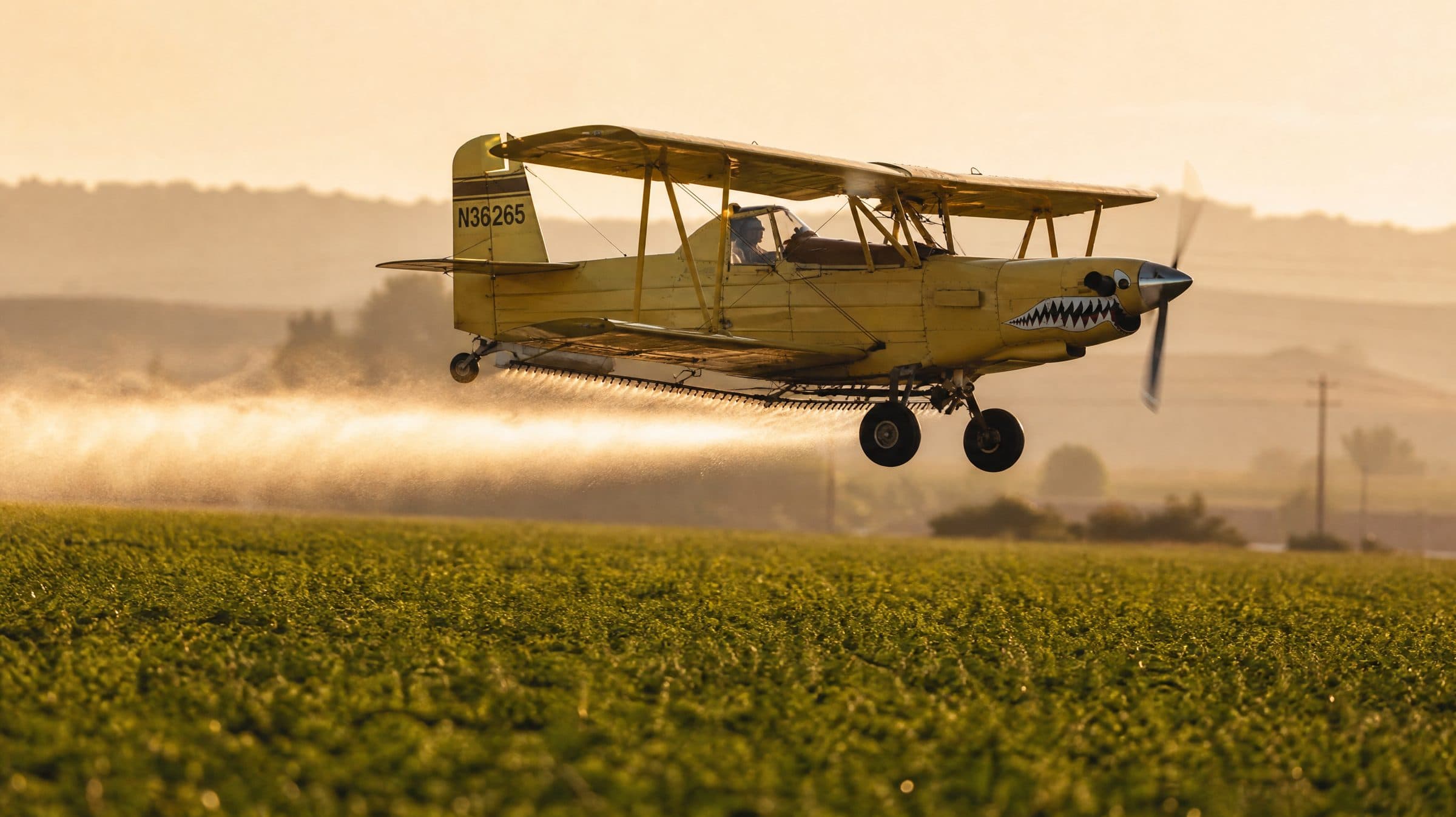
We apply herbicide, fungicide and insecticide by air for row crops, rice and orchards. Our pilots fly low, level passes with calibrated equipment so the product lands on your crop, at the label rate, inside your treatment window.

Ag Cat biplane making a low, even spray pass over a green row crop

What you get

  • Herbicide, fungicide and insecticide programs
  • Low, level passes for even coverage
  • Flights planned around wind and nearby sensitive areas
  • Fast response when pest pressure builds

Timing

Most crop protection flights are from May to August.

Weather and crop stage move these dates. Call to confirm for your field.

Counties

Which crop protection jobs go on by air here?

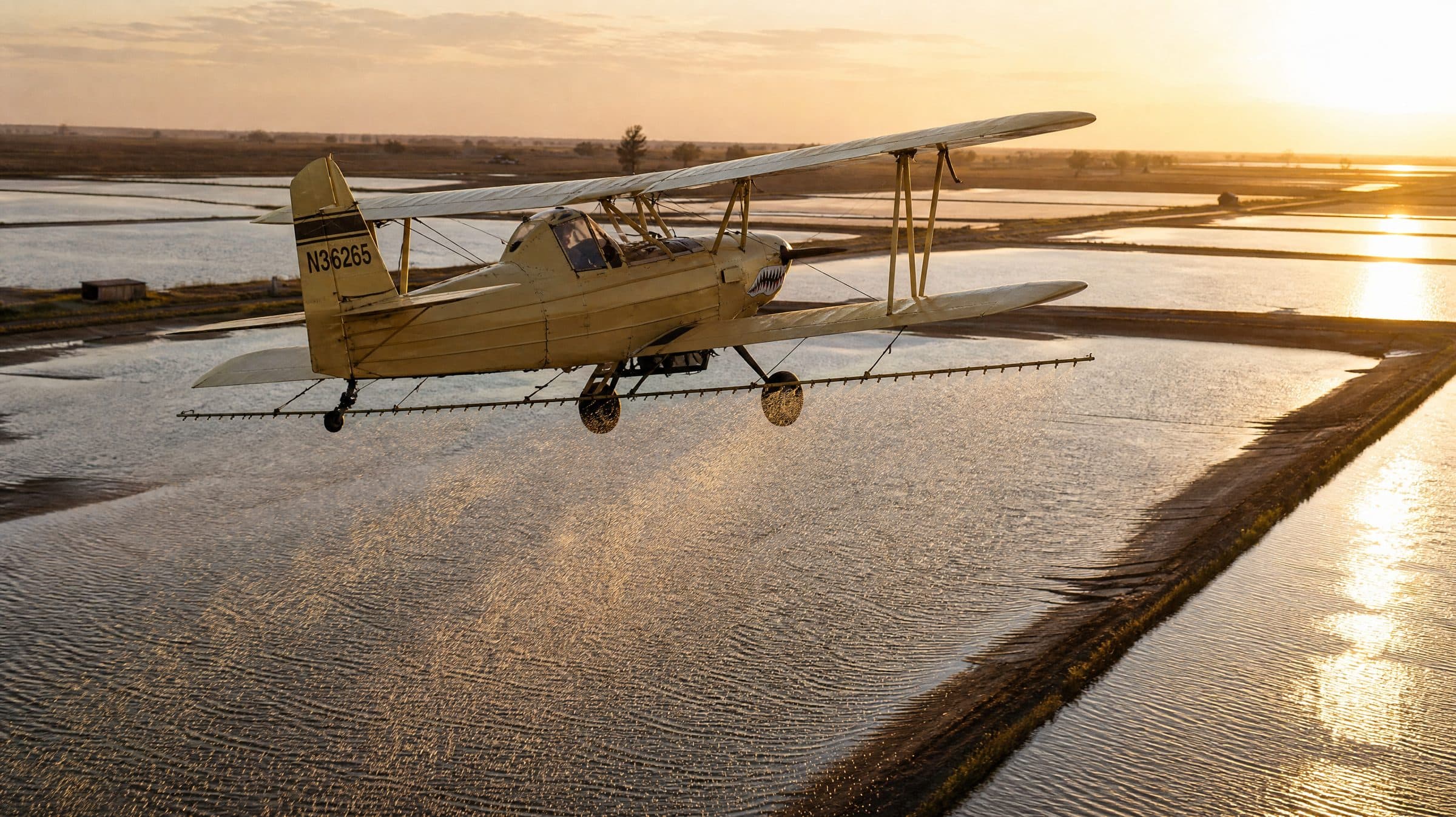
Crop protection flights follow the crop and the pest. On rice, the 2021 UC Davis cost study has a grass herbicide going on all acres by air in May. An insecticide treats field borders and levees, and one fungicide flight in July or August covers about 75 percent of the acres. In almonds, UC IPM times brown rot sprays at pink bud (5 to 10 percent bloom) and full bloom, and one full-bloom spray is enough in most years with little rain. In walnuts, husk fly adults come out from early June to early September, with the peak from July to mid-August. UC IPM prefers bait sprays for husk fly, and for low to moderate numbers it says partial or low-volume coverage can work. Your PCA picks the product and the date. The label and the county permit decide whether it may go on by air.

Sources: UC Davis rice cost study, Sacramento Valley, 2021; UC IPM, almond brown rot blossom blight; UC IPM, walnut husk fly
How much spray goes on each acre by air?

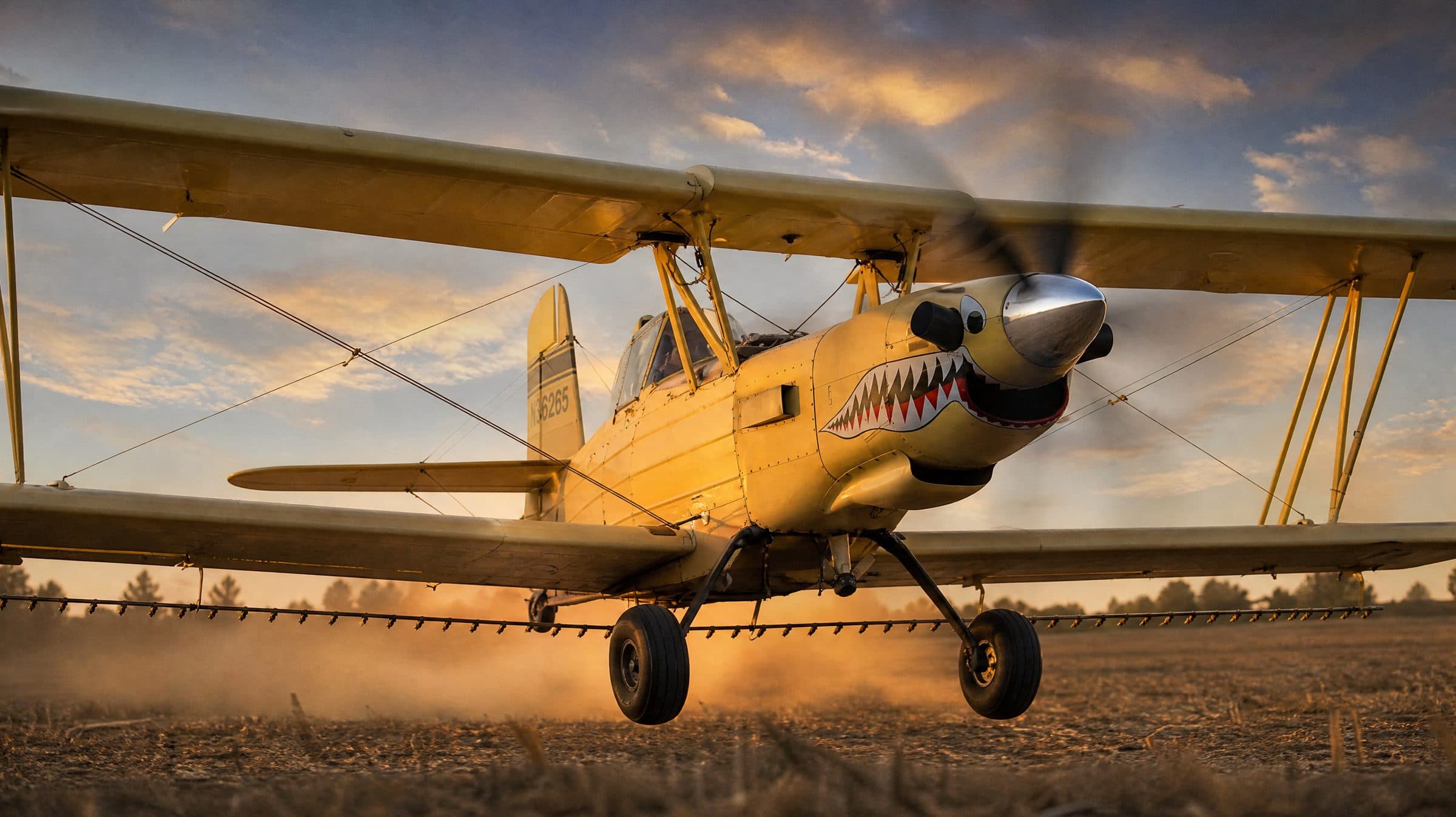
The label sets the spray volume, in gallons of total mix per acre. A January 2026 Penn State Extension table of corn and soybean herbicides labeled for aerial use listed minimum carrier volumes of 2 to 10 gallons per acre. It also warns that some aerial-labeled herbicides are not labeled below 4 gallons. Volume changes the job. A higher volume means fewer acres per load and more trips to the airstrip. California adds its own limits for some herbicides. Under 3 CCR 6460, liquid propanil and phenoxy herbicides such as 2,4-D may not be released more than 10 feet above the crop, or applied in wind over 10 mph, unless a permit allows it. County permits can be stricter. Send us the product, the rate and the gallons per acre from your PCA's recommendation. Those numbers set the number of loads.

Sources: Penn State Extension, corn and soybean herbicides labeled for aerial use (2026); 3 CCR 6460, herbicide drift control

When is a ground rig the better choice?

Sometimes the target or the label decides for the ground rig. The UC IPM guideline for tomato russet mite says the plants need thorough coverage, and it prefers ground application for that mite. Some labels also call for more water per acre than an aircraft can carry. In the UC IPM almond brown rot table, one fungicide is listed for 400 gallons of water per acre. A small field next to homes or a school can suit a ground rig better too. The airplane wins in other places: flooded rice, wet ground that will not carry a sprayer, and large fields with a short treatment window. It also leaves no wheel tracks in a standing crop. Many growers use both methods in one season. Your PCA chooses the method for each product and each target. Send the field and the job, and we will tell you if it fits the airplane.

Sources: UC IPM, tomato russet mite; UC IPM, almond brown rot blossom blight

Common questions

Field notes

More on crop protection

Other services

Book crop protection.

Tell us the field and the job. In a hurry? Call (530) 695-2294, Mon–Fri, 8am–3pm.

CallRequest an application