
Skip to content
Sutter Butte Dusters

aerial fertilizer application

Fertilizer

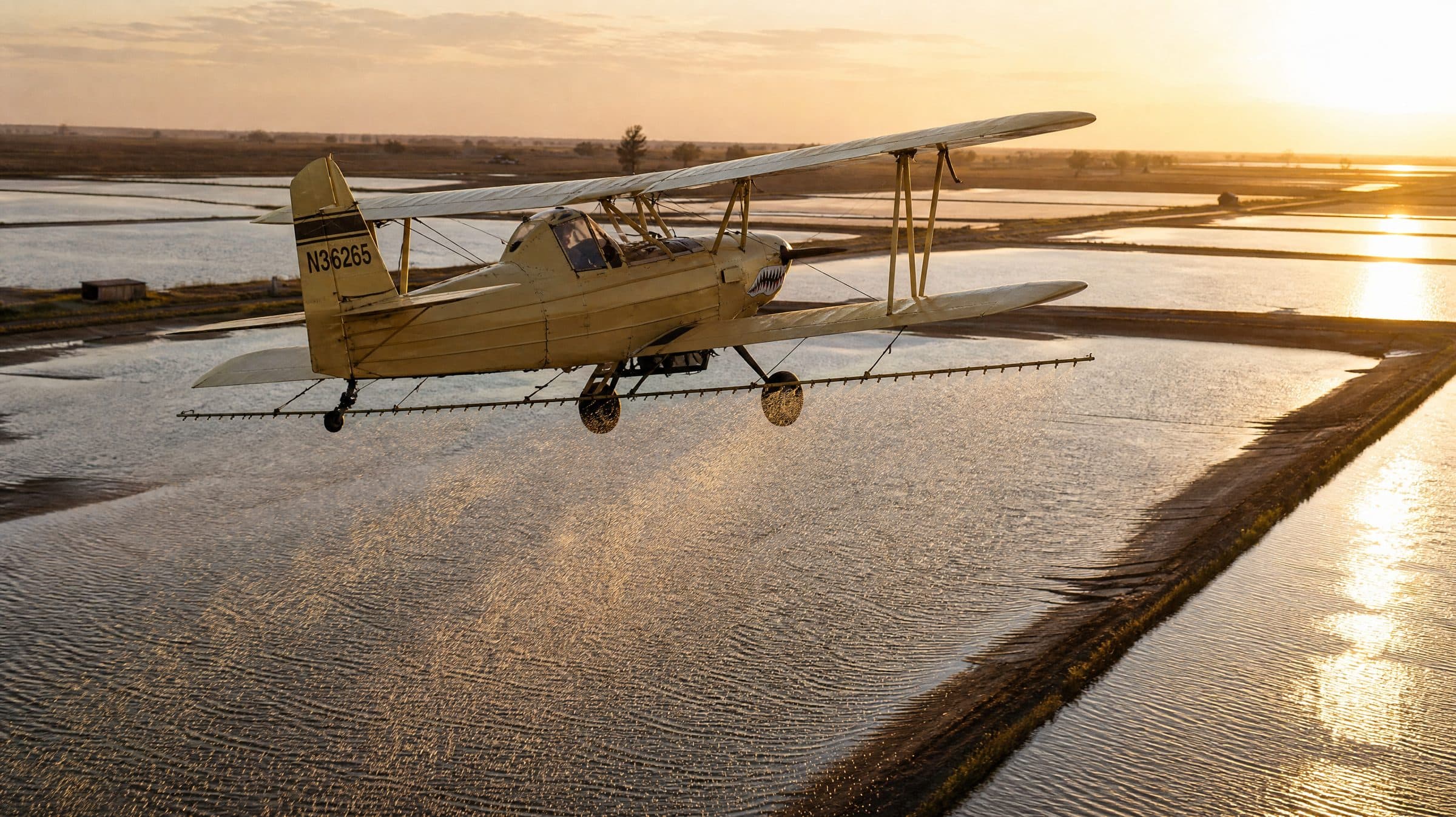
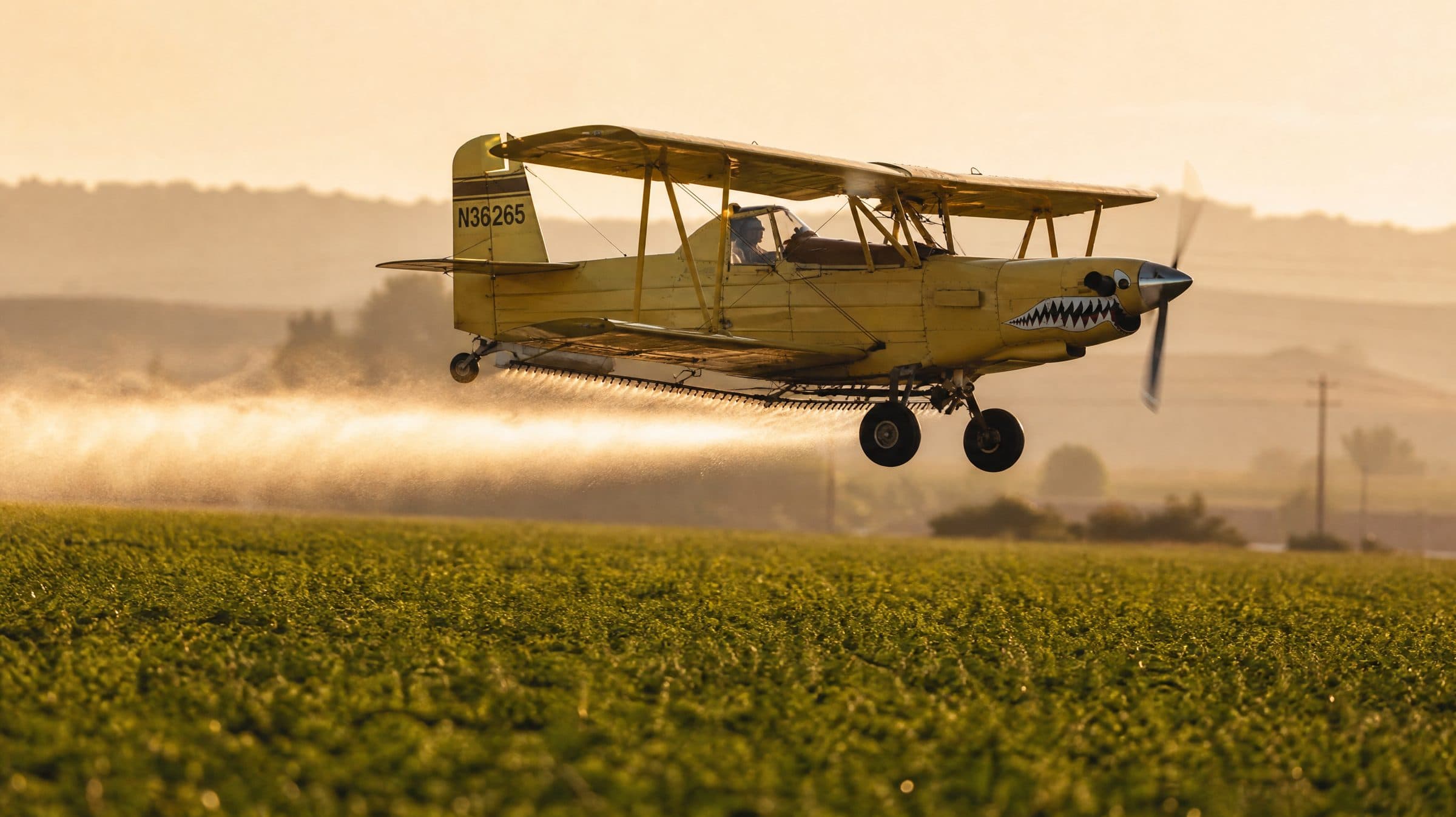
We apply dry and liquid fertilizer by air, including top-dressing on rice and other crops. Flying keeps equipment off wet or planted ground and covers many acres in a day.

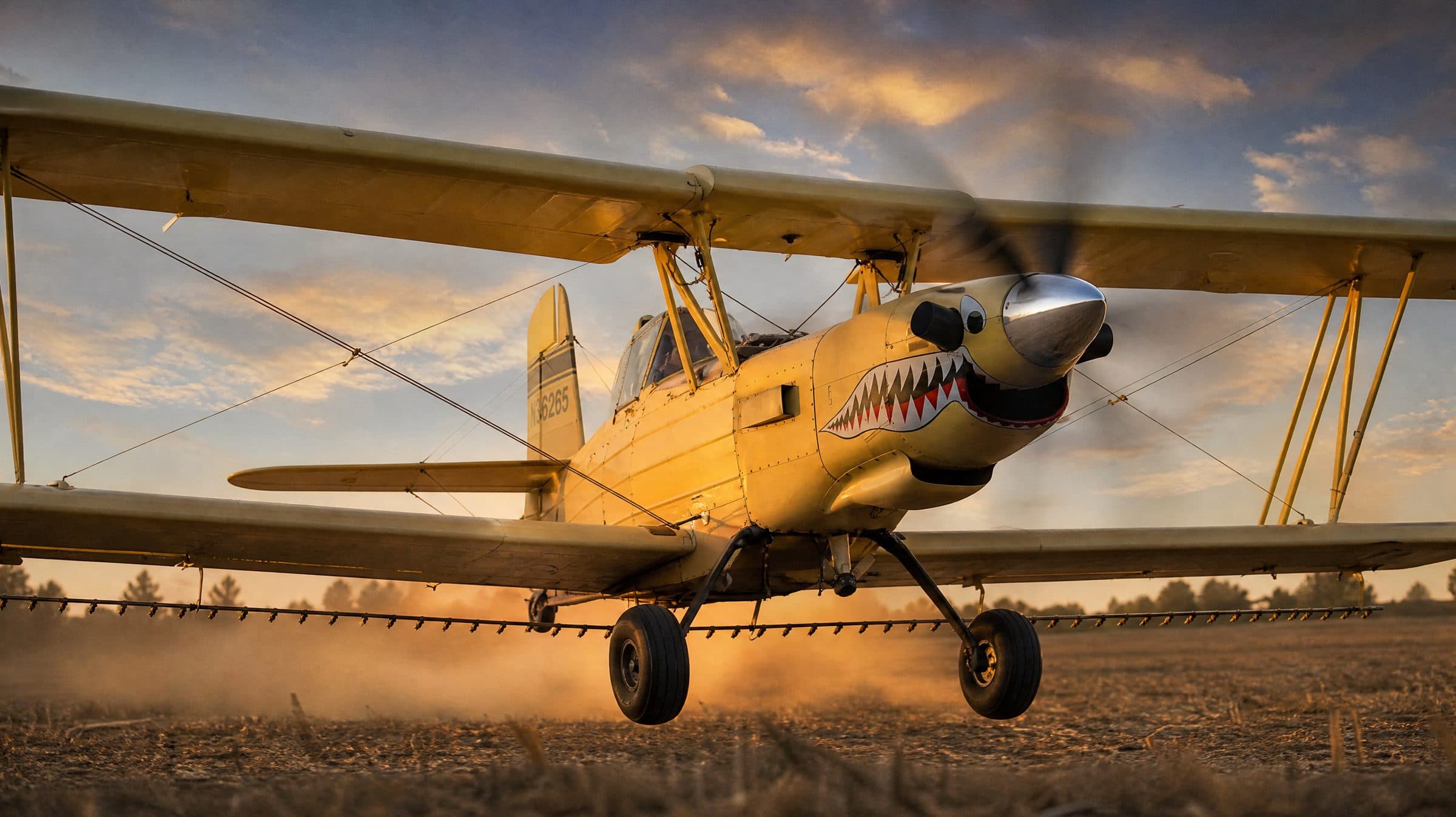
Ag Cat with shark-mouth nose art flying low toward the camera over a field

What you get

  • Dry and liquid products
  • Top-dressing without wheel tracks in the crop
  • Works on wet ground where rigs cannot go
  • Many acres covered in one day

Timing

Fertilizer flights are usually from April to July.

Weather and crop stage move these dates. Call to confirm for your field.

Counties

When does rice get a fertilizer top-dress?

Most rice nitrogen goes on before the flood, so a top-dress is a choice, not a habit. The CDFA fertilization guidelines for rice call 150 pounds of nitrogen per acre an average season total. They say a midseason application should go on before panicle initiation, roughly 50 to 55 days after sowing. They recommend it mainly when an early drain ran long or a leaf analysis shows a nitrogen shortage. Fields are usually flooded at that stage, so the guidelines say the fertilizer most often goes on by aircraft. Ammonium sulfate is popular for an aerial top-dress, because it has less nitrogen and more mass than urea. Ideally the top-dress is 30 pounds of nitrogen per acre or less. Above 60 pounds, the guidelines say, the fertilizer works much less efficiently. Your crop adviser sets the rate and the date.
Source: CDFA fertilization guidelines for rice

What does a typical aerial top-dress look like?

The 2021 UC Davis cost study for Sacramento Valley rice gives one example. The model grower puts 130 pounds of nitrogen per acre on before planting, as aqua ammonia from a ground rig. A starter blend goes on by ground and is rolled in, though the study notes it can also go on by air. In July, 75 percent of the acres get a top-dress by air: 150 pounds of ammonium sulfate per acre, or 31.5 pounds of nitrogen. The study budgeted $15.00 per acre for the aerial dry-fertilizer application in 2021, plus the cost of the product. A dry product is heavy, so the rate in pounds per acre sets how many acres each load covers. At 150 pounds per acre, 10 acres take three-quarters of a ton. Use the study as a reference, not as a price. Send the product, the rate and the fields for a quote.

Source: UC Davis rice cost study, Sacramento Valley, 2021

What should you send before a fertilizer flight?

Start with the numbers from your crop adviser. The 2021 UC study notes that a written recommendation for fertilizer is not required in this region, but the numbers still decide the job. Send the product and its form, dry or liquid. Send the rate in pounds or gallons per acre, the acres, and the field location as an address, APN, or FSA farm and tract number. For a rice top-dress, add the expected panicle initiation date, or the date of the leaf test that showed a shortage. Say whether the field is flooded or drained. The CDFA guidelines say that on a drained field, nitrogen should go on just before the flood returns, to cut losses. Tell us who supplies the product and where it will be loaded. We map the field, check the hazards nearby and confirm the plan with you before the plane flies.

Sources: UC Davis rice cost study, Sacramento Valley, 2021; CDFA fertilization guidelines for rice

Common questions

Field notes

More on fertilizer

Other services

Book fertilizer.

Tell us the field and the job. In a hurry? Call (530) 695-2294, Mon–Fri, 8am–3pm.

CallRequest an application