Safety and the community
Is crop dusting harmful to humans? What neighbors should know
By the Sutter Butte Dusters team · · 8 min read
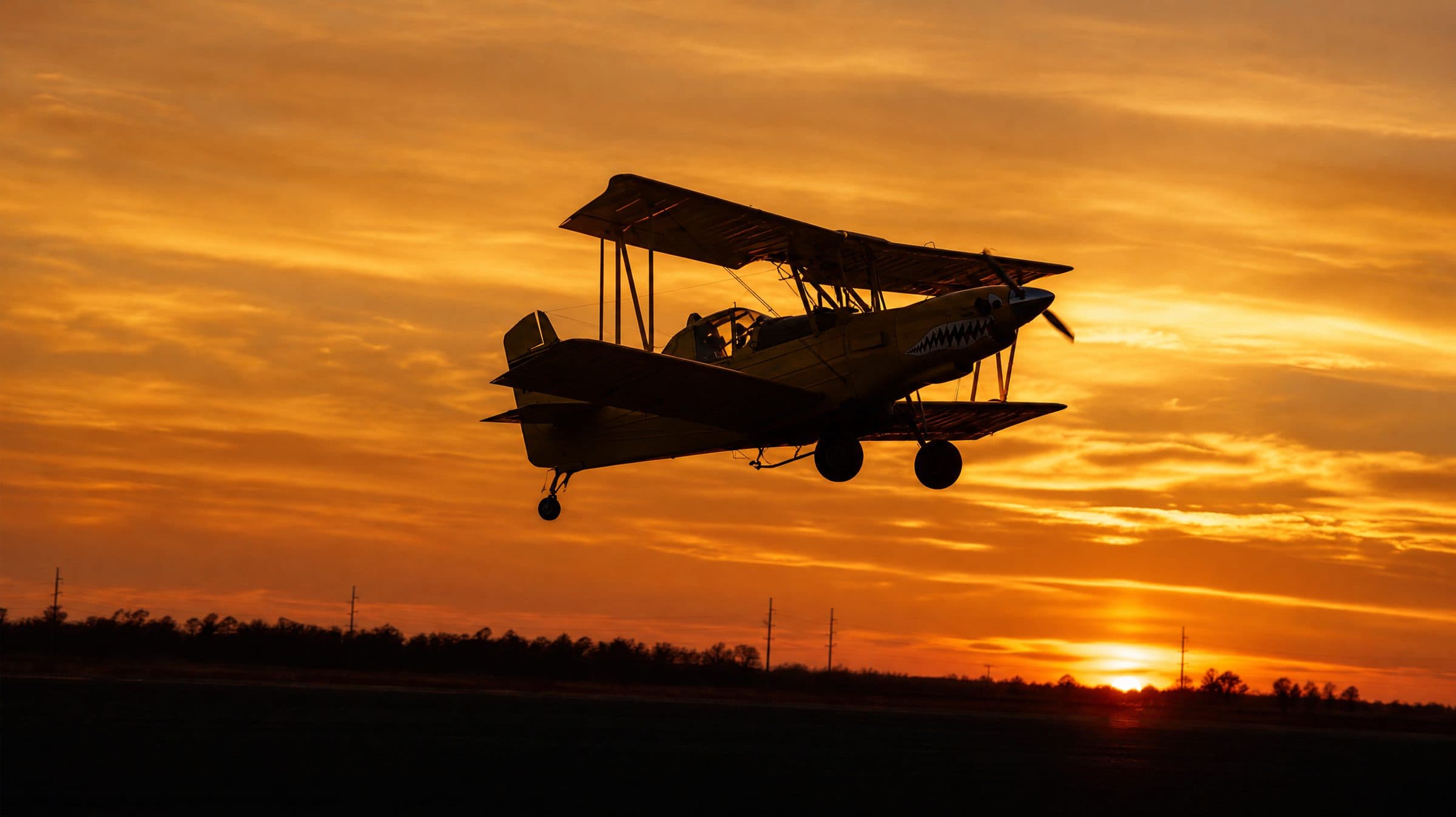
People who live beside farm fields often ask one question when a yellow biplane turns over the trees: is crop dusting harmful to humans? The answer depends on what the airplane carries and how much of it leaves the field. This post explains the real risks, the California and federal rules, and what to do and who to call if you have a concern.
Is crop dusting harmful to humans who live near the field?
Aerial application (crop dusting) is the use of an aircraft to put seed, fertilizer or pesticide on a crop. The risk to a neighbor comes from drift. Drift is the movement of spray droplets or dust through the air to a place outside the treated field.
The dose that reaches a person decides the risk, not the airplane itself. A product that stays on the field cannot reach your yard. A pesticide that drifts onto your skin or into your lungs can cause harm, and the harm depends on the product and the amount.
Every pesticide sold in the United States has a label that the U.S. Environmental Protection Agency (EPA) approves. The applicator must follow the label. In California, the county agricultural commissioner enforces the label and state pesticide law.
Is crop dusting toxic? First, find out what the plane carries
Many flights in the northern Sacramento Valley carry no pesticide. The table uses the typical timing for our own work here.
| What the plane carries | Typical months here | What it means for a neighbor |
|---|---|---|
| Rice seed or cover-crop seed | April and May for rice; after harvest for cover crops | Not a pesticide. |
| Dry or liquid fertilizer | April to July | Not a pesticide. |
| Herbicide, fungicide or insecticide | May to August | Toxicity varies by product. Some are restricted materials. |
A restricted material is a pesticide that California controls more tightly because of its hazard. The grower needs a county permit to use one and must file a notice of intent with the county before each application. To learn what is going on a field near you, ask the grower or the applicator. Our post on what crop dusters spray describes the common products by crop.
What are the signs of pesticide exposure?
California's Office of Environmental Health Hazard Assessment (OEHHA) publishes a guide to pesticide-related illness. It lists these signs:
- Mild: headache, rash, flu-like symptoms, and eye irritation or redness.
- More severe: difficulty with breathing, burns or blisters, shaking or tremors, blurred vision, vomiting and diarrhea.
If you feel unwell after a flight near your home, tell your doctor where and when it happened. Under Health and Safety Code section 105200, a doctor must report a suspected pesticide illness within 24 hours. The doctor phones the local health officer, who then notifies the county agricultural commissioner.
Is crop dusting dangerous? What California law says about drift
California does not allow an applicator to let a pesticide drift onto people. Food and Agricultural Code section 12972 requires every pesticide use to prevent substantial drift to nontarget areas. Substantial drift means more drift than the applicator would cause with due care.
Title 3, California Code of Regulations, section 6614 goes further. Before and during the job, the applicator must evaluate the equipment, the weather, the field and the properties around it. The applicator must not start or continue if the pesticide could reasonably contaminate people outside the job. The same rule protects nontarget crops, animals and property.
This rule matters for neighbors. A person in the next yard is a reason to stop, even when the wind is within the label limits. Wind speed, wind direction, droplet size and release height have the largest effect on drift. Our post on spray drift in aerial application explains each factor.
For most neighbors, the answer to "is crop dusting harmful to humans" depends on how well the applicator follows these rules.
Is crop dusting legal in California?
Yes. Crop dusting is legal, and it is one of the most closely regulated jobs in farming:
- FAA. Each operator holds an agricultural aircraft operator certificate under 14 CFR Part 137. Our post on FAA Part 137 for agricultural aircraft covers it.
- State. Each pilot holds a pest control aircraft pilot certificate from the California Department of Pesticide Regulation (DPR).
- County. The commissioner registers pest control businesses and pilots, and issues restricted material permits.
For the full set of rules, read our guide to pesticide application rules in California.
Why is a crop duster flying low over my house?
A crop duster flying low over my house is the most common concern that neighbors raise. Under 14 CFR 137.49, outside congested areas, an agricultural aircraft can fly below 500 feet. It can also come closer than 500 feet to people, vehicles and structures. This covers the approaches, departures and turns. The flight must not create a hazard to people or property on the ground.
The pilot applies product only over the field. At the end of each pass, the pilot shuts off the spray, climbs and turns back. That turn can take the airplane over a house or a road for a few seconds. Our post on why crop dusters fly so low explains why low passes give better accuracy.
Towns and subdivisions have stricter rules. Under 14 CFR 137.51, work over a congested area needs written approval from the local government and an FAA-approved plan. The operator must also give public notice, for example by newspaper, radio or door-to-door notice. You can read the text in 14 CFR Part 137, Subpart C.
What are the rules near schools?
Title 3, California Code of Regulations, section 6691 sets a minimum distance of 1/4 mile for aircraft applications near a schoolsite. A schoolsite includes K-12 schools and child day care facilities. The limit applies Monday through Friday, from 6:00 a.m. to 6:00 p.m. It does not apply on a day with no classes, or when the day care facility stays closed all day.
How can I find out before a field near me is sprayed?
DPR runs a free statewide notice system called SprayDays. It lists planned applications of restricted materials on farms. Fumigant applications appear at least 48 hours ahead. Other restricted materials appear at least 24 hours ahead, or as soon as practicable.
You can sign up for text or email alerts for up to 10 addresses per contact method. Each alert covers the 1-square-mile area around the address and the areas next to it. The SprayDays About page explains the system.
SprayDays does not list fertilizer, seed or pesticides that are not restricted materials. A listed application can also move or cancel because of weather.
The most direct method is to talk with the grower or the applicator. Tell them about these items at your address:
- Children, older adults or a person with asthma
- Horses, livestock, chickens or outdoor pets
- Beehives, a vegetable garden or organic plants
- A well, a pond or a pool
A careful applicator marks these on the field map. Beekeepers can read how aerial applicators protect bees.
How do I protect my family when a plane sprays nearby?
Caution: Do not walk into the field or wave at the pilot. You can walk into the spray.
- Bring children and pets indoors.
- Close the windows and doors.
- Turn off window fans and evaporative coolers that pull in outside air.
- Bring in laundry, toys and pet bowls.
- Stay inside until the plane leaves the area.
What should I do if spray or dust reaches me?
Warning: If you have trouble with breathing or other serious symptoms, leave the area and call 911 first.
- Move away from the spray, or go indoors.
- Remove the clothes that the spray touched.
- Wash your skin and hair with soap and water.
- Rinse your eyes with clean, cool water if they burn.
- Call Poison Control at 1-800-222-1222 for free first-aid advice.
- Put the clothes in a sealed plastic bag, and do not wash them yet.
- Write down the facts while you remember them.
- Call 1-87PestLine (1-877-378-5463) to reach your county agricultural commissioner.
The county may want the clothes as evidence. You can ask the county to keep your name confidential. Report drift even if nobody feels sick. The DPR page on how to report a pesticide incident also links to an online complaint form.
Use this checklist for your notes in step 7:
- The date, the time and your location
- The wind direction and your estimate of its speed
- The color of the aircraft and its N-number, if you saw it
- Any mist, dust, wet spots, damaged plants or odor
- Your symptoms and when they started
- Photos of the airplane, the field and any residue
The N-number is the registration number on the aircraft. The free N-Number Inquiry on the FAA Aircraft Registry shows the registered owner.
Who pays for medical care after a drift incident?
California puts the cost on the business responsible. If a pesticide use violation causes an acute illness or injury outside the workplace, that business must pay the uncompensated medical costs. Senate Bill 391 (2004) added this duty to the Food and Agricultural Code, as DPR explains on its pesticide incident reimbursement law page. Workplace exposures go through workers' compensation. The commissioner investigates and can fine the violator.
Who do I call with a concern about a crop duster?
| Concern | Who to call |
|---|---|
| A medical emergency | 911 |
| First-aid advice after exposure | Poison Control, 1-800-222-1222 |
| Drift, odor, residue or a pesticide complaint | County agricultural commissioner, through 1-87PestLine (1-877-378-5463) |
| An aircraft that seemed unsafe | The FAA Flight Standards District Office for your area |
| A question about a planned flight | The grower or the applicator |
How we fly near homes in the northern Sacramento Valley
Sutter Butte Dusters flies from our airstrip at 4080 Clark Rd in Live Oak. We work in Sutter, Yuba, Butte, Glenn and Colusa counties with five Ag Cats and one Air Tractor 602. Before each job, we map the field and mark homes, schools, roads, water and neighboring crops. Our pilots check the wind before and during the job and fly low, level passes. If the wind is wrong, we wait.
If you live near a field that we fly, call us at (530) 695-2294, Monday to Friday, 8am to 3pm. You can also contact Sutter Butte Dusters about your home, animals or bees.
Questions
Yes, if enough pesticide reaches you. Headache, rash, eye irritation and flu-like symptoms are common mild signs. Trouble breathing, blisters, tremors or vomiting are serious signs that need 911. Tell your doctor about the flight, because California doctors must report a suspected pesticide illness within 24 hours.
Not for every flight. For restricted materials on farms, DPR posts the planned application on SprayDays at least 24 hours ahead, or 48 hours for fumigants. Work over a town needs local approval and public notice under FAA rules. For seed, fertilizer and other products, ask the grower or the applicator.
Outside towns, FAA rules let an agricultural aircraft fly lower than 500 feet and closer than 500 feet to buildings during the job, including its turns. The flight must not create a hazard. The pilot turns off the spray before the turn, so a short pass over a house is normal.
Yes. Call the grower or the applicator and give your address. Tell them about children, a health condition, livestock, beehives, a garden or a well. A careful operator marks these on the field map and plans the passes and wind limits around them.