From the hangar
Air Tractor 602 vs Ag Cat: why we fly both
By the Sutter Butte Dusters team · · 8 min read
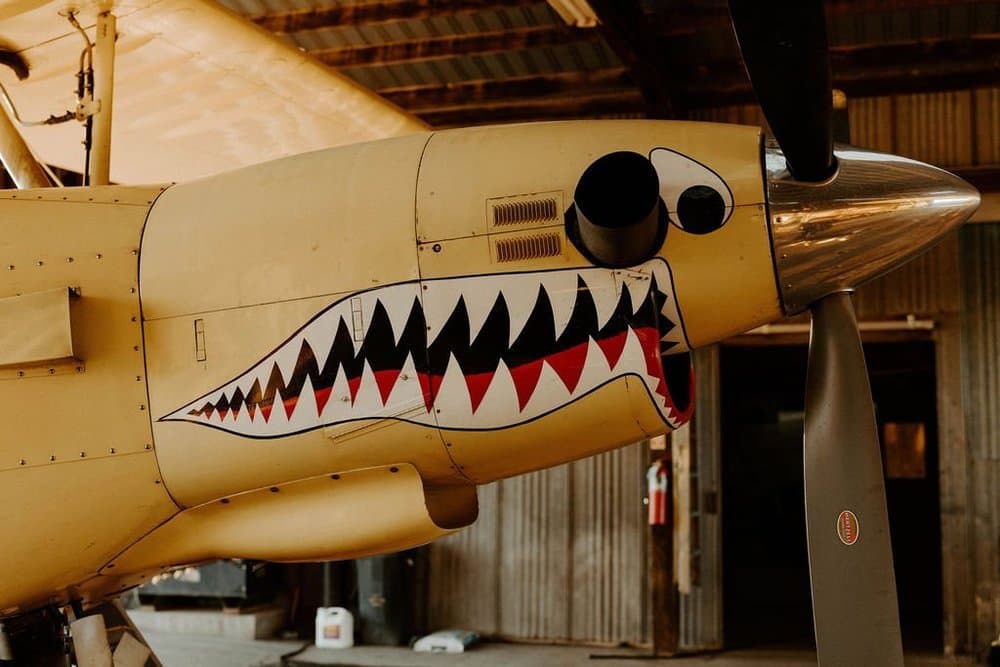
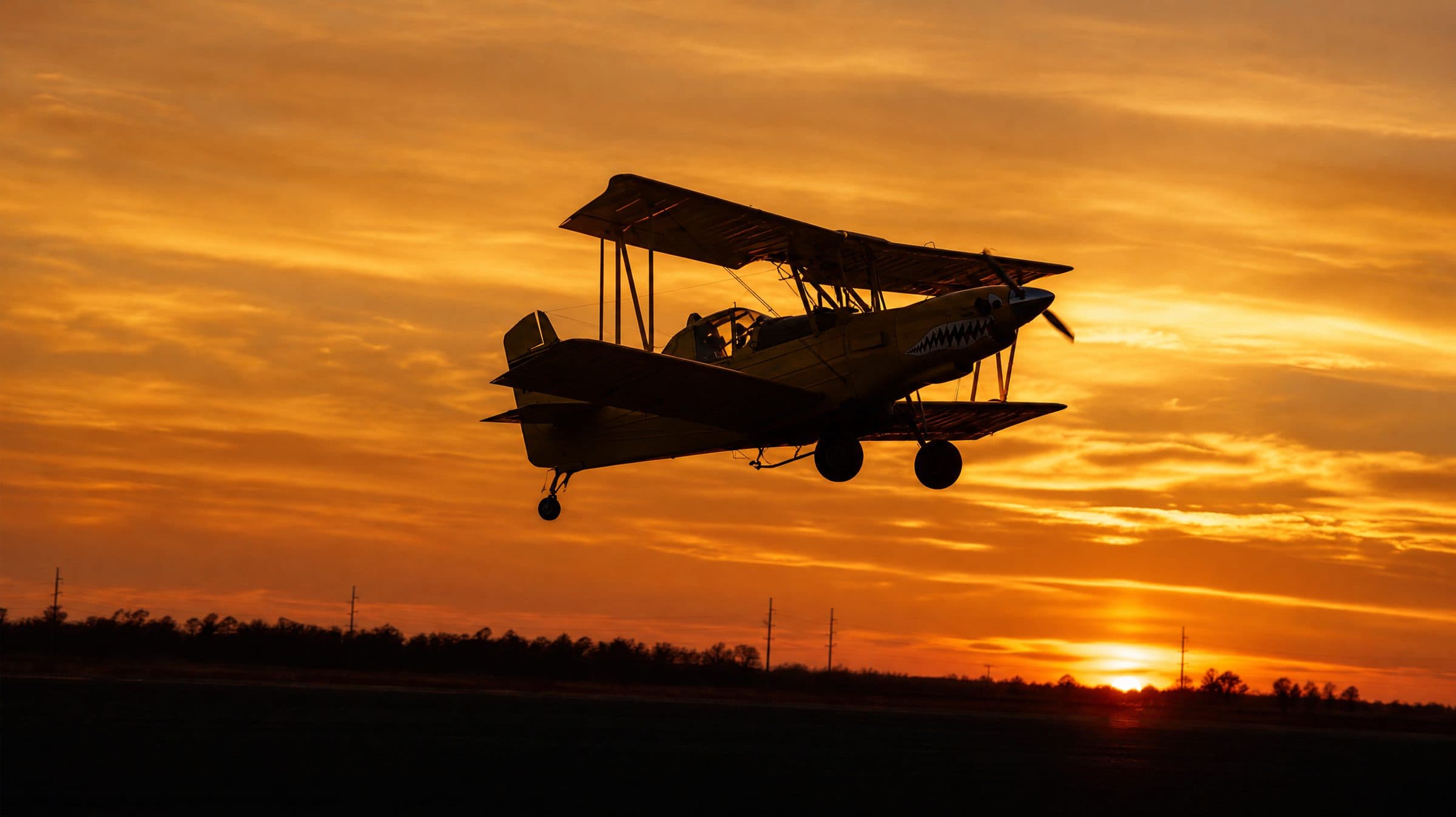
Our fleet in Live Oak has five Ag Cat biplanes and one Air Tractor 602. All six airplanes do the same job, aerial application (crop dusting), but they suit different fields. This post compares the two types with published figures and explains how the airplane affects the work on your field.
What is the Air Tractor 602?
The Air Tractor 602 (model AT-602) is a single-seat, low-wing agricultural monoplane with a turboprop engine. Air Tractor, Inc. of Olney, Texas, holds the FAA type certificate, number A19SW. The FAA approved the model on June 6, 1996. Leland Snow designed the Air Tractor family.
The New Zealand Civil Aviation Authority type acceptance report for the AT-602 calls it the 600-gallon member of the family. The report describes it as an AT-502A with three changes: a longer wingspan, a larger hopper and a higher maximum weight. The hopper sits in front of the pilot. The cockpit is the same as the AT-502 cockpit, and the report approves an optional second seat.
The FAA type data lists three engine families for the AT-602: the Pratt & Whitney Canada PT6A-45, PT6A-60AG and PT6A-65AG. In 2002, Air Tractor told the New Zealand regulator that the PT6A-45 variant was out of production. The standard engine today is the PT6A-60AG. The airplane is in the restricted category, which is an FAA category for special-purpose work such as agriculture. The Ag Cat is in the same category, and our guide to FAA Part 137 explains the operating rules.
Air Tractor 602 specifications
The manufacturer publishes the figures below on its AT-602 specification page. They are for the standard airplane with the PT6A-60AG engine. A specific airframe can differ because of its engine, equipment and modifications.
| Specification | AT-602 figure |
|---|---|
| Engine | Pratt & Whitney PT6A-60AG turboprop |
| Power | 1,050 shp at 1,700 rpm |
| Propeller | Hartzell HC-B5MP-3C, five blades |
| Hopper capacity | 630 US gallons |
| Fuel capacity | 216 US gallons |
| Maximum takeoff weight | 12,500 lb |
| Maximum landing weight | 12,000 lb |
| Empty weight with spray equipment | 5,829 lb |
| Useful load | 6,900 lb |
| Wingspan | 56 ft |
| Wing area | 336 sq ft |
| Typical working speed | 145 mph |
| Cruise speed at 8,000 ft | 182 mph |
| Range at economy cruise | 600 miles |
| Stall speed, flaps down, at 12,500 lb | 82 mph |
| Rate of climb at 12,500 lb | 650 ft per minute |
| Takeoff distance at 12,500 lb | 1,830 ft |
The useful load is the total weight of the pilot, fuel and product that the airplane can carry. The AT-602 useful load of 6,900 lb is more than the maximum takeoff weight of the heaviest G-164B Ag Cat, which is 5,200 lb.
Air Tractor vs Ag Cat: how do the two planes compare?
The Air Tractor vs Ag Cat comparison comes down to layout, power and size. The Ag Cat is a biplane with a radial piston engine. The AT-602 is a monoplane with a turbine engine and about 75 percent more power than the largest Ag Cat radial.
The table compares the AT-602 with the G-164B, the Ag Cat model with the 400-gallon hopper. The Ag Cat figures come from the New Zealand CAA's G-164 Ag-Cat type acceptance report, which quotes the FAA data sheet.
| Item | Ag Cat G-164B | Air Tractor AT-602 |
|---|---|---|
| Layout | Biplane, tailwheel | Low-wing monoplane, tailwheel |
| Engine | Pratt & Whitney R-985 (450 hp) or R-1340 (600 hp) radial | Pratt & Whitney Canada PT6A turboprop (1,050 shp for the -60AG) |
| Fuel | Aviation gasoline | Jet fuel |
| Hopper | 400 US gallons (serial 660B and up) | 630 US gallons |
| Maximum takeoff weight | 4,500 lb, or 5,200 lb with the 73-inch wing gap | 12,500 lb |
| Seats | One | One, with an optional second seat |
| FAA type certificate | 1A16 | A19SW |
| Model approval date | November 18, 1975 | June 6, 1996 |
The Ag Cat design is about 40 years older than the AT-602. Grumman designed it in the 1950s, and our Grumman Ag Cat history explains how each model changed. Some Ag Cats have turbine engines too, such as the G-164B-20T model and the Walter M601 conversion. The G-164B in the table has a radial engine.
What does a turbine crop duster do better?
A turbine crop duster carries more product, flies faster and works longer between stops. The AT-602 shows each of these points against the Ag Cat.
- Bigger loads. The AT-602 hopper holds 630 gallons, about 58 percent more than the 400-gallon Ag Cat hopper.
- A higher weight limit for product. The AT-602 flight manual allows a maximum hopper load of 6,500 lb, according to the New Zealand report.
- Fewer trips to the airstrip. Each reload takes ground time and a ferry flight back to the field. A larger load means fewer reloads on a large field.
- Faster ferry flights. The AT-602 cruises at 182 mph at 8,000 ft. A fast airplane gains the most on a field far from base.
- More power for heavy loads. The 1,050 shp turbine helps the airplane climb out with a full hopper on a hot day.
The industry has moved toward turbine aircraft. In the 2019 NAAA Aerial Application Industry Survey, 83 percent of fixed-wing ag aircraft were turbine powered. The survey covered work in the 2017 season.
Why do we still fly the Ag Cat?
We still fly the Ag Cat because many jobs in our area do not need a 630-gallon airplane. Small fields, orchard blocks and fields with many obstacles suit a smaller airplane. Two wings give the Ag Cat a large wing area from a short span. That wing area gives good handling at low speed and tight turns at the end of each pass.
The Ag Cat hopper and spreader suit dry products such as rice seed and granular fertilizer. For the pilot's view of the biplane, read why we still fly the Ag Cat.
A smaller hopper is not always a disadvantage. On a small field, a large airplane can carry more product than the job needs. Five Ag Cats also let us put more than one airplane on different jobs on the same day.
How many acres does each plane cover per load?
The acres per load depend on the spray volume, which is the total gallons of mix that go on each acre. The product label and your licensed pest control adviser (PCA) set this volume. We do not choose it for you. The table shows acres per full hopper at three example volumes.
| Spray volume | Ag Cat, 400 gallons | AT-602, 630 gallons |
|---|---|---|
| 2 gallons per acre | 200 acres | 315 acres |
| 5 gallons per acre | 80 acres | 126 acres |
| 10 gallons per acre | 40 acres | 63 acres |
A full hopper by volume is not always a legal load by weight. Water weighs about 8.3 lb per gallon, so 630 gallons of a water-based mix weighs about 5,250 lb. That load is under the 6,500 lb hopper limit of the AT-602. A dense dry product, such as some fertilizers, can reach the weight limit before the hopper is full.
Weight also changes how the airplane can maneuver. The New Zealand report shows that the AT-602 design load factor is 3.8 g at 9,200 lb. At 12,500 lb, the flight manual reduces the limit to 2.8 g. A pilot with a full hopper makes gentler turns than a pilot with a light load.
The NAAA survey also asked operators how many acres one aircraft usually treats in a day. For rice, the average answer was 1,033 acres, and the average maximum was 1,579 acres. These figures cover all aircraft types, so they are not figures for one model.
How does the pilot set the load for each flight?
Before each flight, the pilot sets the load from the weight limits, not from the hopper size alone. The steps below show the general order of the check.
Caution: the flight manual and the hopper placard set the limits for each airframe. The figures in this post are examples only.
- Find the product weight per gallon or per cubic foot.
- Calculate the weight of the planned hopper load.
- Add the pilot, fuel and oil to the empty weight.
- Compare the total with the maximum takeoff weight.
- Check the air temperature and the runway length.
- Reduce the load if the airplane cannot climb out safely.
Which plane will fly my field?
We match the airplane to the job, so you do not need to ask for one. The checklist below shows what we consider when we plan your application.
- Field size. Large rice checks and big row-crop blocks suit the AT-602. Small fields and orchard blocks often suit an Ag Cat.
- Product type. Dry products, liquids and seed each load and spread in different ways.
- Spray volume. A high volume per acre means more reloads, so a bigger hopper saves more time.
- Obstacles. Power lines, trees, towers and nearby homes affect the pass pattern and the turns.
- Ferry distance. A field far from Live Oak gains more from the faster turbine airplane.
- Timing. A short treatment window can need two or more airplanes on the same day.
The choice of airplane is one factor in the cost of the job. Our post on crop dusting cost per acre explains the other factors. To prepare for the call, read how to hire a crop duster. For a wider view of ag aircraft types, see our guide to crop duster planes.
Two airplanes, one standard of work
Sutter Butte Dusters flies five Ag Cats and one Air Tractor 602 from our base at 4080 Clark Rd in Live Oak. You can see the airplanes on our fleet page. We fly rice, orchards and row crops across Sutter, Yuba, Butte, Glenn and Colusa counties. Send us your field, crop, product and timing, and we will match the airplane to the job. Get a quote for your field.
Questions
The AT-602 hopper holds 630 US gallons, and Air Tractor lists a useful load of 6,900 lb. The flight manual allows a maximum hopper load of 6,500 lb, according to New Zealand's type acceptance report. Product density, air temperature and runway length can limit the real load on a given day.
The standard AT-602 has a Pratt & Whitney PT6A-60AG turboprop, rated at 1,050 shp at 1,700 rpm, with a five-blade Hartzell propeller. The FAA type data also lists the PT6A-45 and PT6A-65AG. In 2002, Air Tractor told New Zealand's regulator that the PT6A-45 variant was out of production.
A turbine crop duster carries more product, flies faster and has more power for heavy loads, so it suits large fields. A radial-engine biplane such as the Ag Cat still does good work on small fields and orchard blocks. In the 2019 NAAA survey, 83 percent of fixed-wing ag aircraft were turbine powered.
The price depends on acres, product type, application rate, ferry distance from Live Oak, and field shape and obstacles. The airplane that fits those factors is part of the plan, so you do not need to ask for a specific plane. Send us the job details and we will give you a quote.