
Rice
Sprangletop in California rice: ID, water and timing
By the Sutter Butte Dusters team · · 7 min read
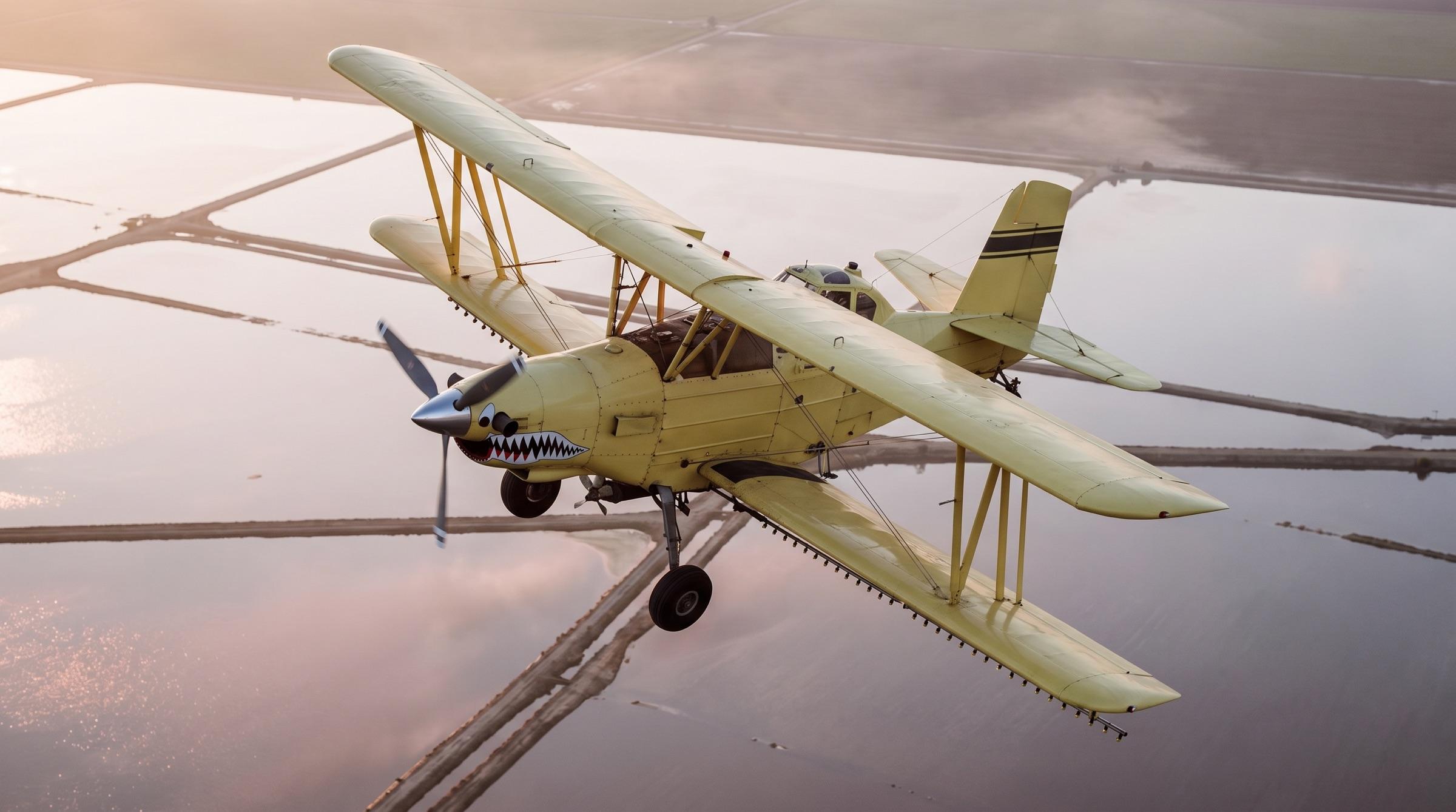
Sprangletop is a grass weed that wins when rice water runs low. In California rice, it usually cannot come up through more than 4 inches of water, but it sprouts fast in a drained field. This guide explains how to identify sprangletop, why water matters so much, and when UC says to treat it.
What is sprangletop?
Sprangletop is an annual grass in the genus Leptochloa. An annual plant grows from seed and dies in one season. The UC Statewide IPM Program (UC IPM) lists two sprangletops in rice: bearded sprangletop and Mexican sprangletop. Bearded sprangletop is the one UC IPM describes in detail, and it is a native plant of wet places.
UC IPM's bearded sprangletop page says it is usually a bigger problem where water stays low during early rice growth. It usually grows on alkaline soils. It thrives in wet places, but its seedlings cannot survive under water. That one fact drives most of the control plan.
| Name | Scientific name |
|---|---|
| Bearded sprangletop | Leptochloa fusca ssp. fascicularis |
| Mexican sprangletop | Leptochloa fusca ssp. uninervia |
Source: UC IPM names of rice weeds.
How do you identify sprangletop in a rice field?
Start at the collar, the place where the leaf blade meets the stem. Sprangletop has a long, thin ligule with a jagged tip that tears easily. A ligule is a flap at the base of the leaf. Sprangletop has no auricles, which are small claws that wrap the stem.
The collar separates sprangletop from the two other grasses in the check.
| Plant | Ligule | Auricle |
|---|---|---|
| Sprangletop | Present, long and jagged | None |
| Watergrass and barnyardgrass | None | None |
| Rice | Present | Present |
UC IPM gives these other signs for bearded sprangletop:
- Seedling. Light green leaves, very narrow and long, usually with a white midrib.
- Mature plant. Upright to spreading in loose clumps, up to about 3-1/3 feet tall or long.
- Leaves. Flat to loosely rolled, 4 to 20 inches long, with a whitish midvein.
- Lower stem. Sheaths that are straw-colored to reddish.
- Seed head. Open branches with small spikelike clusters, gray-green when young and straw-colored when ripe.
- Awns. Short, needlelike bristles at the tip of each flower. UC IPM says these separate it from other California sprangletops.
- Flowers. May through November.
The seed is smaller than a rice grain, so rice processing separates it easily. Our guide to watergrass in California rice covers the other main grass weed.
How does water control sprangletop?
Water depth is the first control for sprangletop. UC IPM says sprangletop usually does not germinate or emerge through more than 4 inches of water. A flood of that depth holds the weed back for free. UC IPM advises a flood of 4 to 5 inches in fields with resistant weeds.
A drain changes everything. UC IPM says the seeds germinate rapidly once a field is drained. The plants then become essentially uncontrolled after the field floods again.
UC IPM gives these water facts that matter for this weed:
- Water up to 2 inches deep promotes all rice weeds.
- Water that is too shallow exposes soil and starts weed seed.
- Uneven basins give uneven water depth and uneven weed growth.
- Large clods let grass weeds establish beyond herbicide control.
Level ground makes an even flood possible. UC IPM says shallow and deep areas should differ by only 2 to 3 inches, with a maximum depth of 5 inches.
For a long water hold, UC IPM advises starting deep and letting the water fall to 5 inches. This is better than starting at 5 inches and adding water later.
Why does a drain create a sprangletop problem?
Some rice systems need a drain, and each drain gives this weed a chance. UC IPM describes these water systems:
| Water system | The drain | Sprangletop risk |
|---|---|---|
| Permanent flood | None until about one month before harvest | Lowest, if the water stays at 4 to 5 inches |
| Pin-point flood | 2 to 4 weeks after seeding, then a reflood to 4 to 6 inches | Seeds can sprout during the drain |
| Leathers method | Right after seeding, for 3 to 5 days | The drain can start several weeds at once |
| Dry seeding | Water flushes only, then a flood at about the 3- to 4-leaf stage | Water flushes do not hold the weed back |
Source: UC IPM integrated weed management for rice. The risk column is our reading of UC's notes on drains and on this weed.
Herbicide programs have raised this problem. UC IPM says resistance has made foliar herbicides more common. A foliar herbicide works on the leaf, and it often needs a drained field. So a drain that helps one treatment can start a sprangletop flush. Keep the drain short and flood again quickly, because UC IPM says a long drain promotes weeds and a slow reflood lowers herbicide performance.
Our post on herbicide application in rice covers the water condition for each type of flight.
When does UC say to treat sprangletop?
UC IPM groups sprangletop with the grass weeds on its treatment period chart. Grass weeds have two windows:
- The 1-leaf stage of rice to tiller initiation, when the plant starts to make side shoots.
- Early tillering.
Our guide to rice growth stages explains these stages in plain words. Scouting decides where your field sits inside the windows.
UC IPM gives this schedule. Check the field every 3 to 4 days for 21 days after the flood. Then check it weekly until about 45 days after seeding. At each visit, record the weed, where it grows in each basin and the rice growth stage. Days 21 to 45 are critical for treating resistant weeds before they set seed.
Accurate identification comes first. UC IPM says each rice herbicide controls only a few species. Some products that work on watergrass or broadleaf weeds do little or nothing to sprangletop. UC IPM's herbicide susceptibility table shows fewer effective herbicides for bearded sprangletop than for the other annual grasses.
Your pest control adviser (PCA) is the licensed person who picks the product and the rate. The label is the law, so the product must go on at the stage, water condition and rate that the label states. Give your PCA your scouting notes and your herbicide records from past seasons.
Is sprangletop resistant to herbicides?
Yes, some sprangletop is resistant. UC IPM's herbicide treatment table lists resistant sprangletop in two mode-of-action groups, group 1 and group 13. Mode of action means the way the herbicide kills the plant.
Resistance grows when one mode of action kills most plants and the survivors set seed. UC IPM gives these signs of possible resistance:
- Healthy plants stand next to dead plants of the same weed.
- One weed survives while other weeds in the check die.
- The same patches survive treatment each year.
A failed treatment does not prove resistance. Poor coverage, the wrong timing, large weeds and bad weather can all cause it. UC IPM still says that if you are in doubt, assume resistance. Ask your PCA to plan different groups as alternates, in mixes or in a sequence.
How do you prevent sprangletop next season?
Use these steps with your PCA before the next flood.
- Map the areas where sprangletop grew this year.
- Fix the high spots with laser or GPS leveling.
- Remove large clods from the seedbed.
- Clean farm equipment when you leave an infested field.
- Use certified seed.
- Flood as quickly as possible after the field is ready.
- Hold 4 to 5 inches of water.
- Plan any drain with your PCA, and keep it short.
A stale seedbed is another tool. UC IPM says early spring flushes bring up mainly grasses, including sprangletop and watergrass, plus smallflower umbrella sedge. The grower then kills those weeds before planting. Where rice is the only crop, UC IPM suggests that you change the water system from year to year.
Our rice spray guide shows how the grass weed windows fit into the full rice season. For the wider picture, see our post on California rice farming.
Sprangletop work from Live Oak
Sutter Butte Dusters flies rice herbicide jobs across Sutter, Yuba, Butte, Glenn and Colusa counties from 4080 Clark Rd in Live Oak. Our fleet has five Ag Cats and one Air Tractor 602. An airplane treats a check without wheels in the water, and it can finish many checks inside a short drain. We apply the product your PCA recommends, at the label rate. Learn more about our rice work, or get a quote for your field.
Questions
Bearded sprangletop seedlings have narrow, light green leaves, usually with a white midrib. The collar has a long, jagged ligule and no auricles. Mature plants reach about 3-1/3 feet, with open, branching seed heads. UC IPM says short, needlelike awns separate it from other California sprangletops.
Check the collar, where the leaf meets the stem. Sprangletop has a long, jagged ligule. Watergrass and barnyardgrass have no ligule. The two weeds also respond differently to water. Sprangletop usually stops at more than 4 inches of water, while early and late watergrass grow through 4 inches.
Yes. UC IPM says seeds germinate rapidly when a field is drained, and the plants become essentially uncontrolled after the reflood. If a herbicide needs a drain, keep the drain short and flood again quickly. Plan the drain and the reflood with your PCA before you lower the water.
Not always. UC IPM says each rice herbicide controls only a few species, and some products for watergrass do little or nothing to sprangletop. Some sprangletop is also resistant in groups 1 and 13. Tell your PCA which grass you found, and the PCA will pick the product and rate.